
AR VR Game Development Services In Pennsylvania
Looking for AR/VR game development services in Pennsylvania that don’t fumble the tech or get lost in flashy decks? You’re not alone. Too many clients around here have wasted budget on long-winded “concept” studios that never delivered a working build.
We cut through that. Pearl Lemon Games are technical first, results second, and we don’t shy away from hard problems. We’ve worked with local businesses, schools, and startups from Philadelphia to Erie, helping them launch AR/VR experiences that don’t just look good—they function at scale, run reliably across platforms, and serve a purpose.
Schedule a consultation and let’s skip the sales routine.
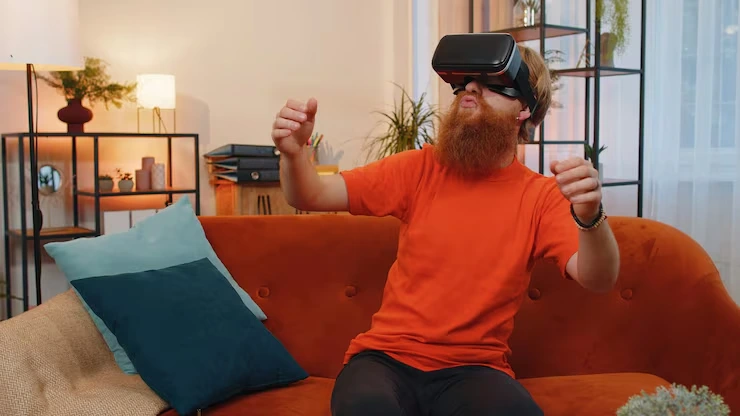
AR VR Game Development Services That Solve Problems
If you’ve dealt with agencies that over-promise and under-deliver, you already know how frustrating it is when a prototype doesn’t run past a trade demo. Whether your last dev left you mid-project or your internal team’s stuck scaling an MVP, we bring high-level technical skill with grounded, use-case-focused delivery.
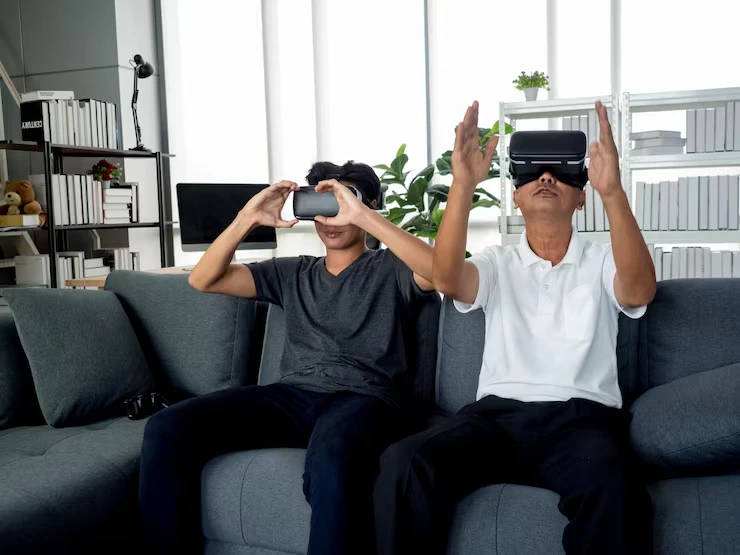
VR Game Development For Oculus, HTC And Beyond
Let’s cut through it. If you’re building for Quest 3 or HTC Vive Pro 2 and haven’t considered frame pacing, motion reprojection, and GPU/CPU allocation caps, your game is going to cause nausea—or worse, performance dropouts.
We’ve developed VR titles that run at a solid 90Hz, keeping frame time under 11ms, with multi-pass rendering and physics offloading to background threads where possible. We handle real-time spatial audio, hand tracking, and GPU occlusion efficiently using Unity HDRP or Unreal Engine’s Lumen pipeline, depending on your needs.
You want a game people can play, not one that demos well on dev kits and then crashes when pushed to production.
Augmented Reality Game Development For Mobile AR
AR doesn’t mean throwing a 3D model on a table and calling it a feature. We’ve built iOS and Android apps using ARKit, ARCore, and WebAR pipelines, integrating marker-based triggers, surface detection, and world tracking with low-latency input to keep the experience smooth.
Want to support older devices without killing battery life? We use light estimation fallbacks and custom shaders to reduce draw calls without sacrificing fidelity.
This helps clients in local tourism, retail, and events deliver experiences that run, not ones that crash after 30 seconds or chew up data.
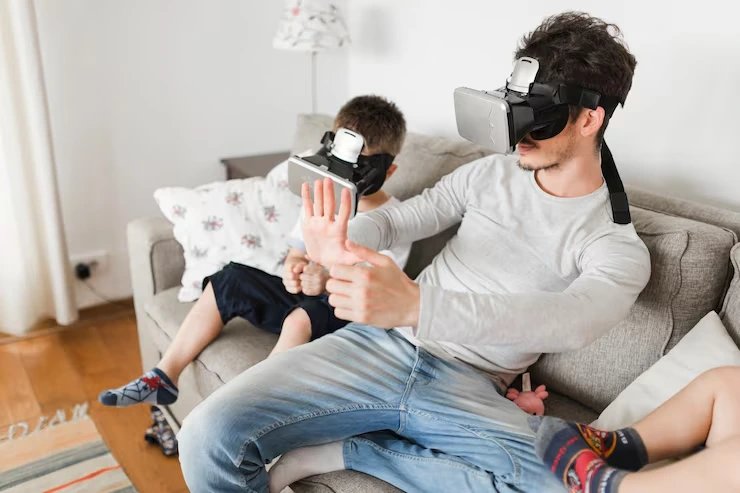
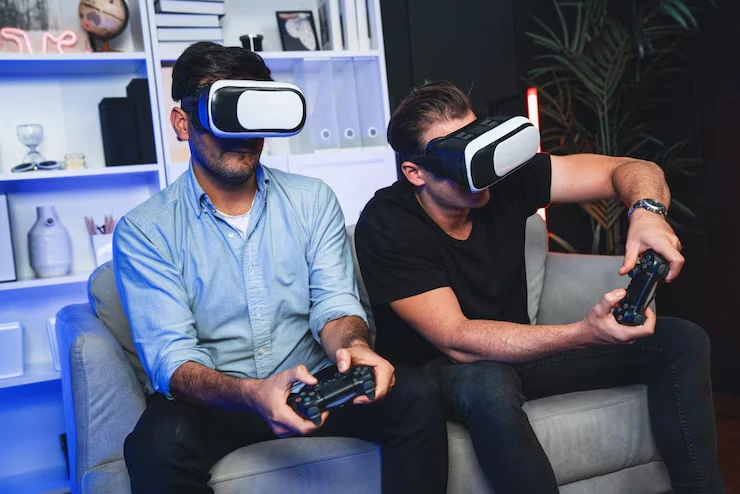
Multiplayer AR And VR Support With Network Sync
If your project involves multiple users in shared space or networked virtual environments, we handle server authority sync, Photon/Normcore integration, and voice chat layering through low-latency middleware.
Our games in Pennsylvania have used these frameworks to power multi-room museum setups and school-wide educational programs without relying on big servers. If you’ve ever had a room-scale setup fail due to network jitter, we’ve already fixed that.
Location-Based AR And Geo-AR Integration
Planning a game or app that changes by location? We’ve deployed projects using GPS anchors and IP geofencing in Pennsylvania that adapt content based on position. Whether you’re running something in Hersheypark, a scavenger hunt across Pittsburgh, or interactive retail signage in downtown Philly—this is where custom development matters.
You can’t fake GPS spoof detection or avoid UI delays without proper async programming and asset batching. We build with Unity Addressables, Mapboxx SDKs, and cached sessions to deliver location-specific experiences that don’t hiccup.

Gamified AR For Education And Training
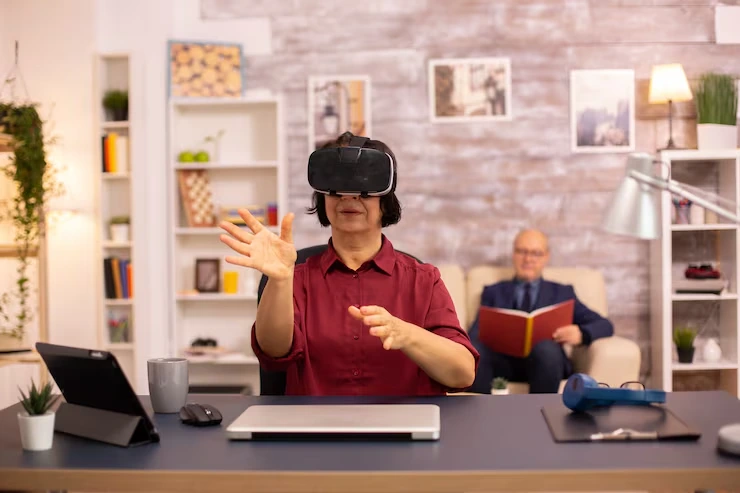
We’ve worked with schools and training centres across Pennsylvania to build AR learning tools that turn boring curricula into playable experiences.
From A-level physics lessons using object recognition, to VR simulations that mimic industrial machine control panels with haptic feedback, we’ve made it work for learners with accessibility and performance in mind.
Need SCORM integration for your LMS? No problem. Want Unity-based WebGL builds that work on Chromebooks? We’ve deployed them to classrooms across the state.
AR VR Porting And Rebuilds
You’ve already got something built, but it’s not holding up? We’ve rebuilt Unity VR projects that had broken prefabs, scriptable object overuse, or materials not batching properly.
We’ve cleaned up AR apps where the asset bundle was 400MB because someone forgot to compress texture sets.
Need to port from Unity to Unreal or vice versa? We’ve handled projects with full API rewrites to convert XR Interaction Toolkit logic into Unreal’s visual scripting system equivalents—or the other way around.

Full Game Lifecycle Support (From Prototype To Release)
We’ve launched games from pitch deck through alpha, beta, QA, and live deployment—whether you’re targeting SteamVR, App Lab, or sideloading for enterprise clients.
We run structured version control (Git + Unity Collab or Perforce), CI/CD for test builds, and keep testing logs across builds so nothing gets dropped during crunch time.
You won’t get excuses from us—you’ll get a working product with logs, build reports, and working APKs ready to ship.
AR VR Consulting And Performance Troubleshooting
If your game keeps crashing on build or performance dips after 15 minutes of play, we’ll audit it, run Profiler traces, and tell you exactly where it’s going wrong.
From baked lighting issues, to draw call explosions, to GC spikes from poorly managed coroutines—we’ve seen it all.
Don’t let your last 3 months of development go to waste because someone didn’t know what Time.deltaTime does in a physics loop.
Book a call and let’s figure it out before it costs you another quarter.
Why Choose Us
We’re not a directory listing or a portfolio-first agency. We are a team of engineers, game designers, and AR/VR developers with roots in Pennsylvania and experience delivering projects that run smoothly under pressure.
You won’t be handed off to interns or “project coordinators.” You’ll work with the people doing the work.
Book a consultation and let’s stop wasting time.
Frequently Asked Questions
We work with Meta Quest (1/2/3/Pro), HTC Vive, Pico, iOS/Android for AR, and cross-platform WebAR setups.
Yes. We use Unity as a library or implement with ARKit/ARCore SDKs inside native apps to ensure smooth integration.
Primarily Unity and Unreal Engine. We choose based on project scope, visual requirements, and your team’s technical capacity for ongoing support.
Absolutely. We use Photon Fusion, Normcore, or a custom Node. JS-based servers depending on latency and budget needs.
We provide functional testing, performance profiling (CPU/GPU/memory), and user testing with reports including FPS, load time, and crash data.
Let’s Build Something That Works
You’ve read enough to know whether we’re speaking your language. If your project needs someone who’s not afraid of frame budgets, API limitations, or hard deadlines, book a call.
We’ll ask the right questions, skip the fluff, and tell you what’s possible without sugar-coating the risks.
Book a consultation and let’s stop wasting time
