SkillShot - Case Study

Introduction:

At Pearl Lemon Games, we were excited to partner with Schüco (via Skillshot) to develop Metal Masters, an immersive educational experience on Roblox. The goal: show how the metal-industry has evolved — from hands-on manual labor to today’s sleek manufacturing processes — all through interactive gameplay.

Our client wanted more than just a game. They needed a tool for new hires and prospective applicants to understand metal-production workflows, to feel engaged, and to spark interest in industrial careers. Our audience: primarily working adults and trainees, with German as the default language to align with Schüco’s workforce.

  • Phase 1: Mining raw minerals → choosing mold → forging ingots → crafting tools → delivering final product to the cart.
  • Phase 2: Creating a male counterpart of a female metal connector → identifying the correct matching connector → assembling the parts → handing off the final assembled product.

Throughout, we kept our sights on combining realistic industry visuals and mechanics with accessible gameplay that works on Roblox.
Conceptualization Phase

We started as any good production should — by listening, gathering, and planning. Our six-person core team received extensive machine-references and factory-photos from Schüco. These became the foundation of our visual direction: detailed, accurate, functional. We wanted players to feel like they stepped into a metal-production environment, but without complex mechanics that block fun.

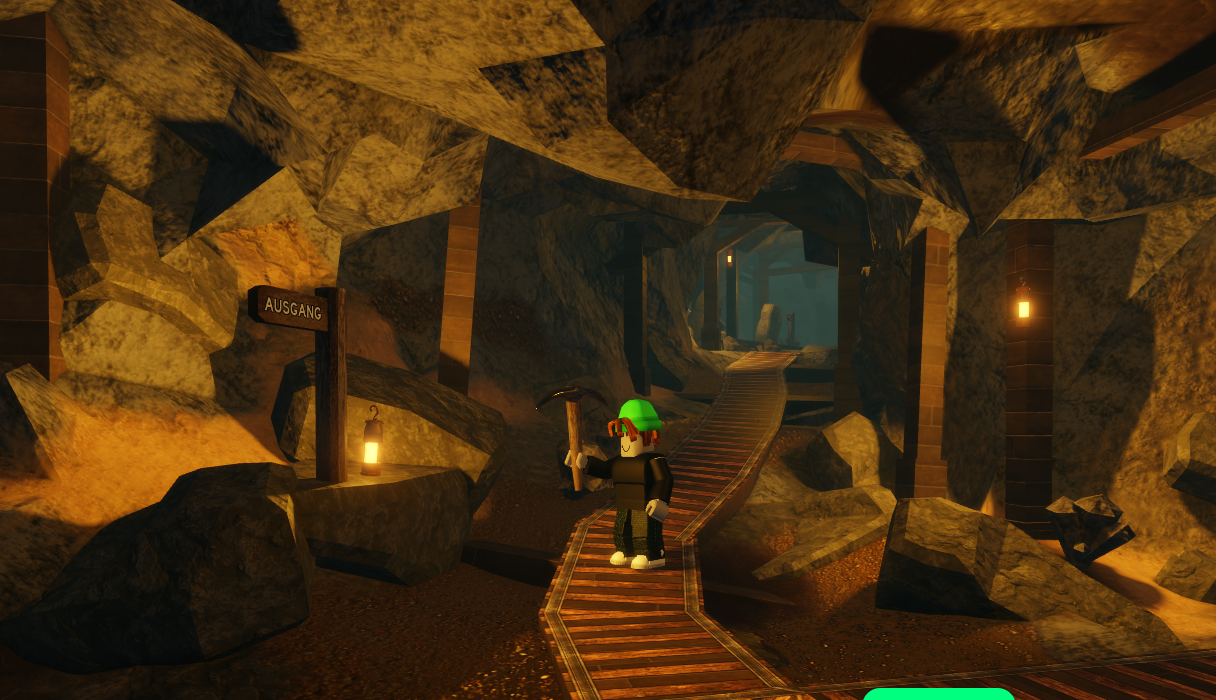
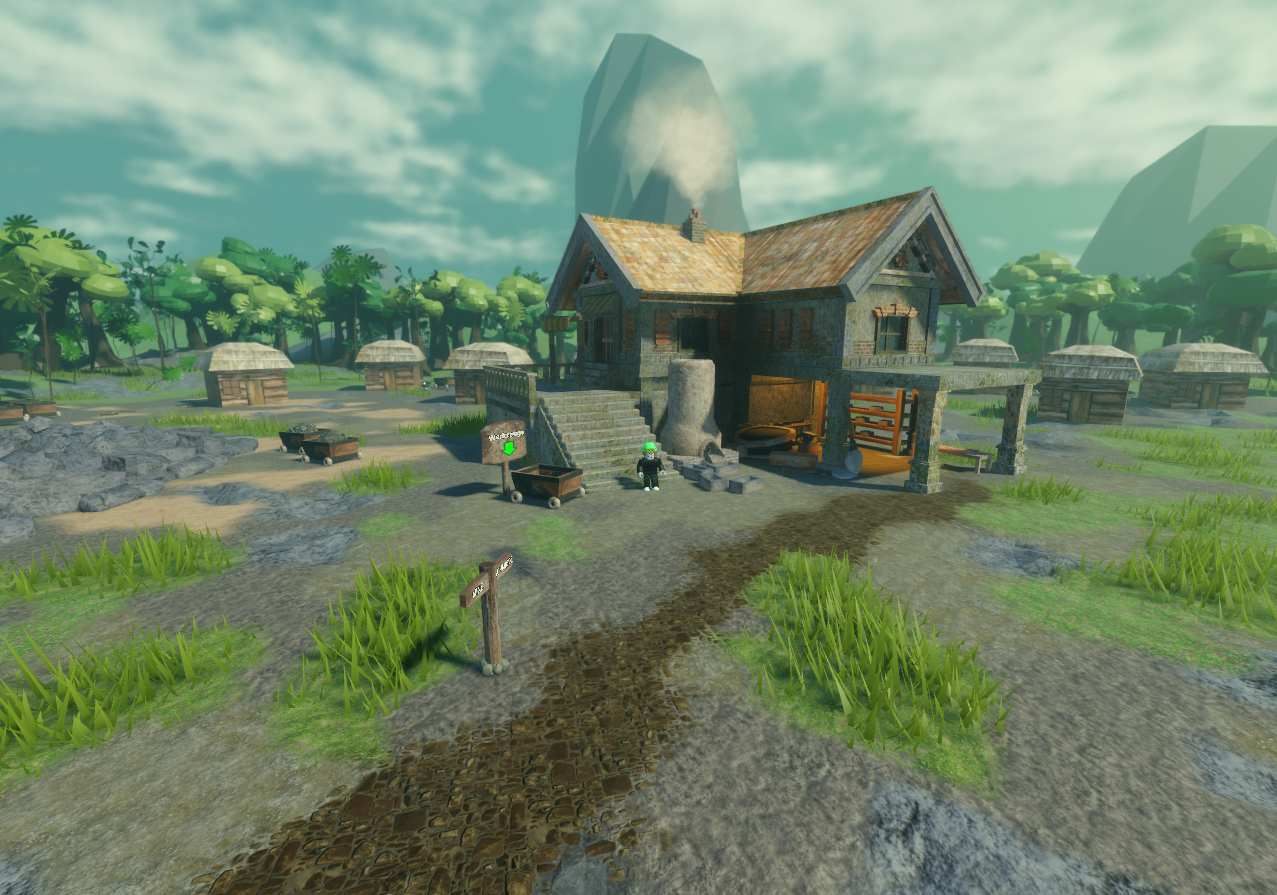
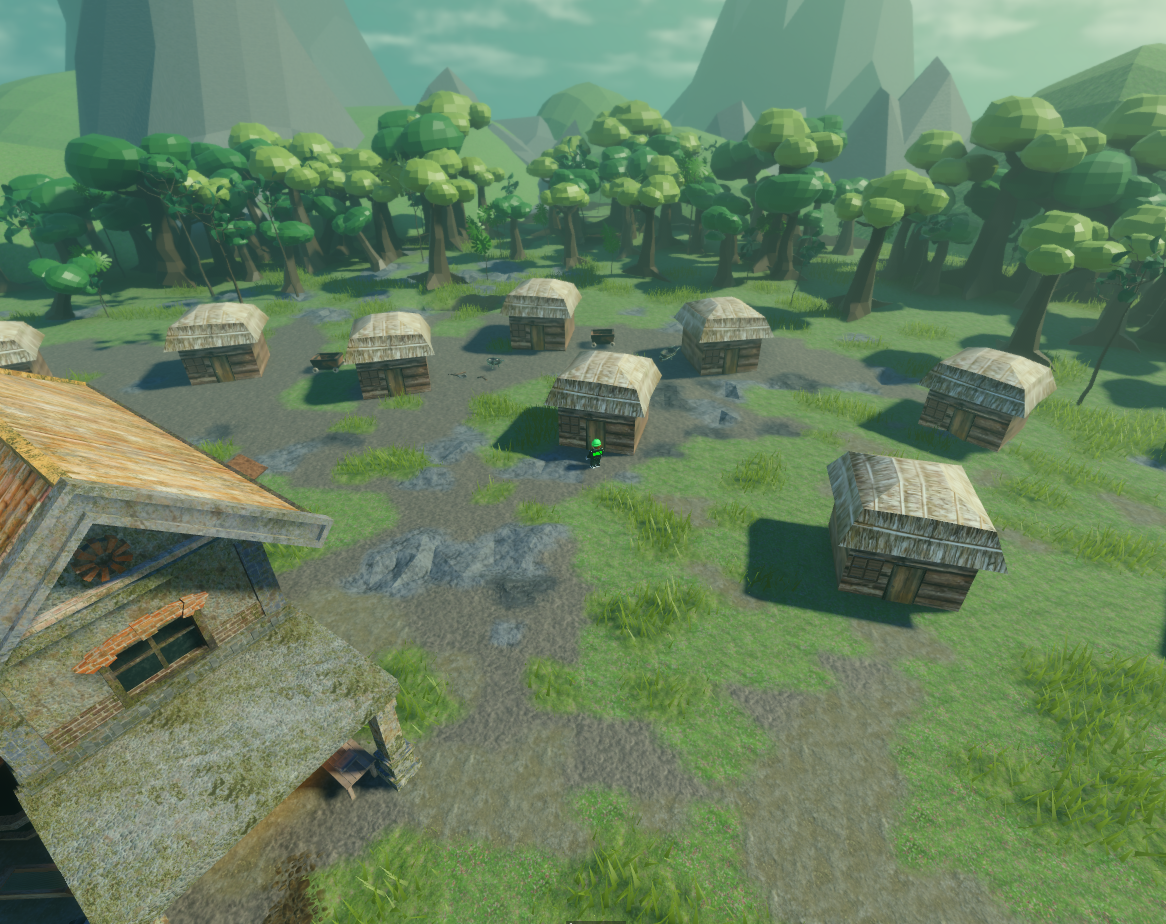
Our challenge was to balance industrial authenticity and playability. We asked: How do we transform real factory blueprints, molds, and forges into something Roblox players enjoy? The answer: we built environments reflecting real reference materials — mine tunnels, forge huts, modern assembly lines — but tuned them for flow and clarity.

Because of tight timelines, we skipped a dedicated prototyping phase. Instead, we moved quickly into map‐building, model creation and scripting in parallel. We brought in an experienced coder early on to ensure that core systems like inventory tracking and forging logic would scale smoothly.

By focusing on Phase 1 first (the more manual, traditional workflow), we laid the groundwork for the second phase (modern factory era) — giving us strong anchors for both environment and mechanic design.

SkillShot - Case Study

Pre-production Phase 1

With references locked and a concept approved, we created a detailed timeline to deliver everything in approximately two months. We held regular feedback loops with Schüco: model concepts, environment layouts, and gameplay flow were reviewed and revised rapidly. This ensured transparency and prevented major rework later.

We prioritized the major functional zones for Phase 1:

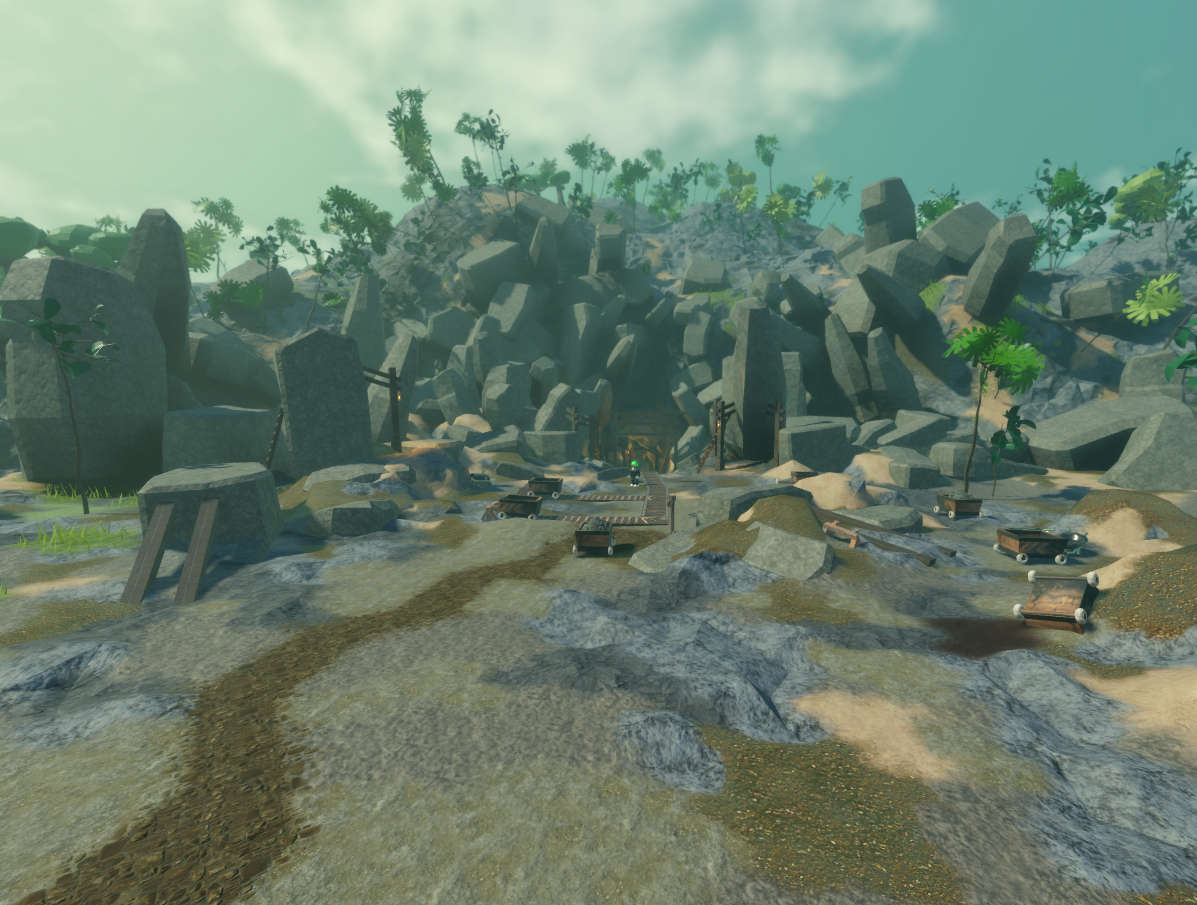
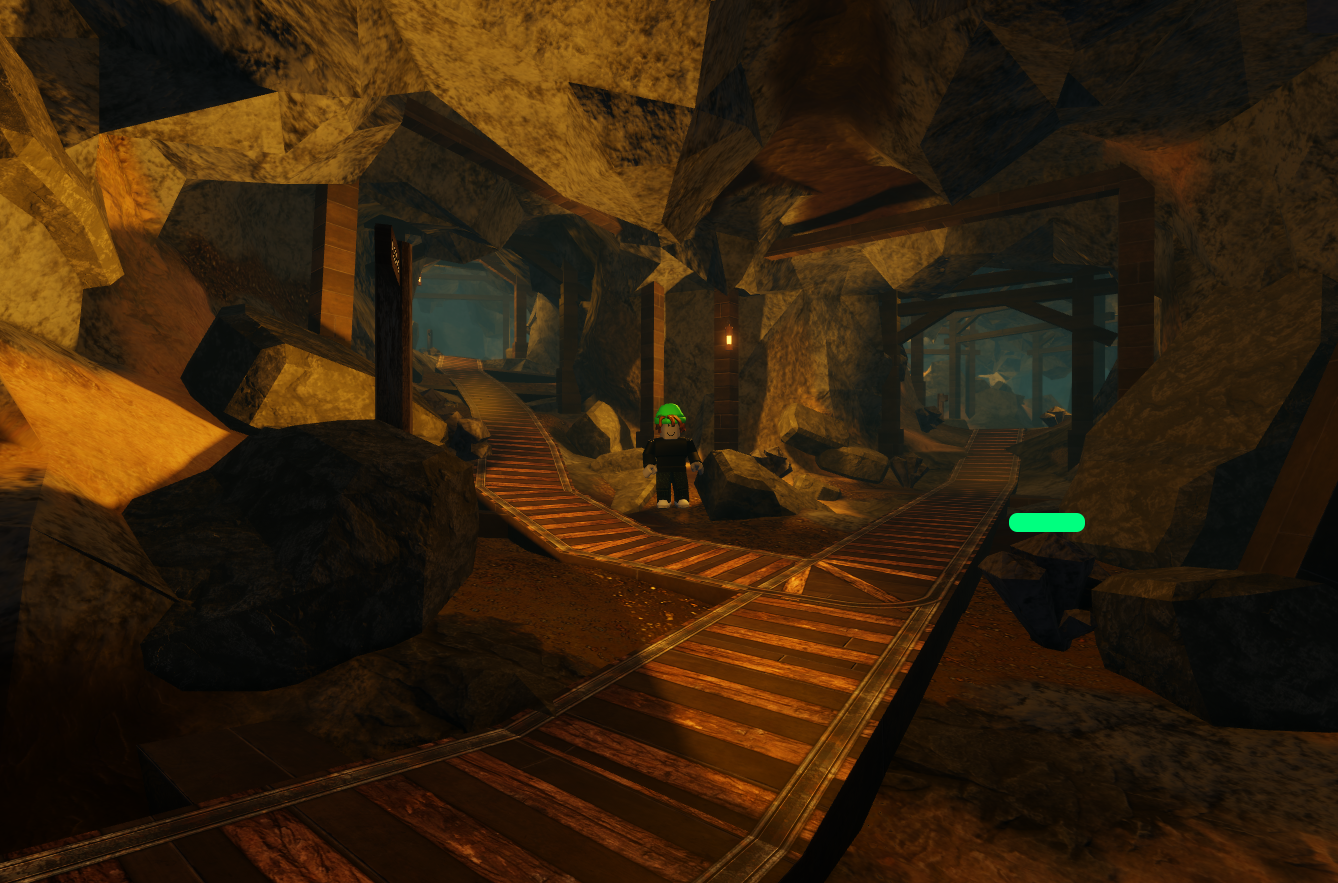
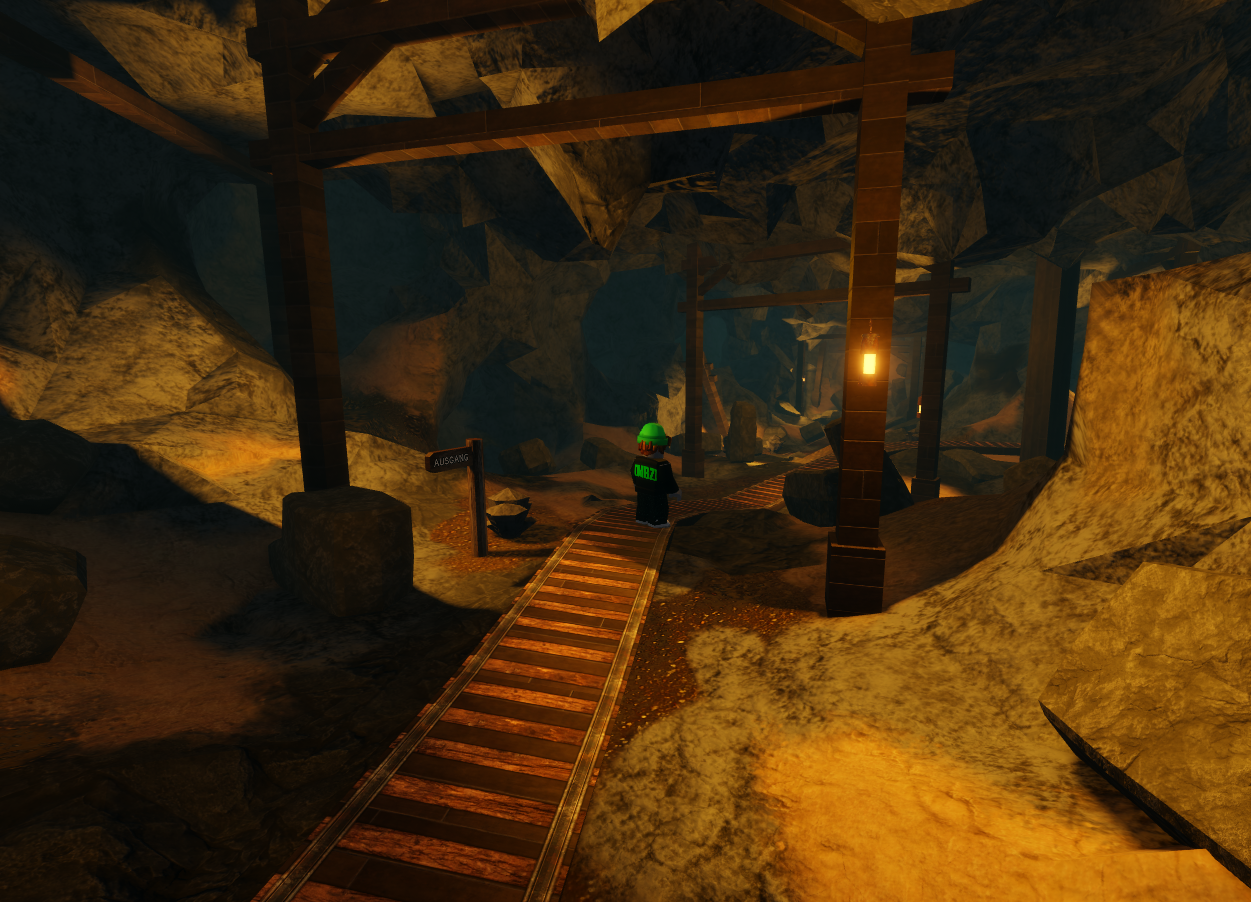
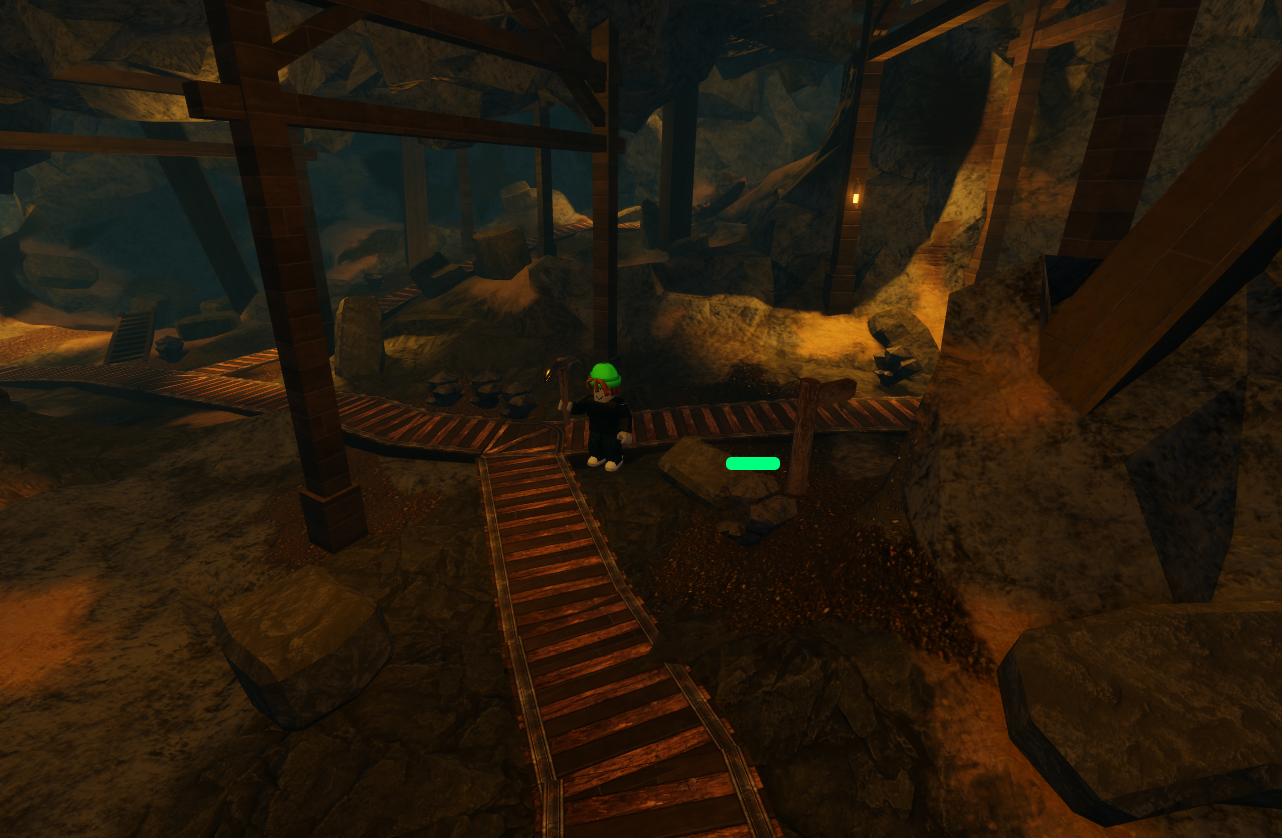
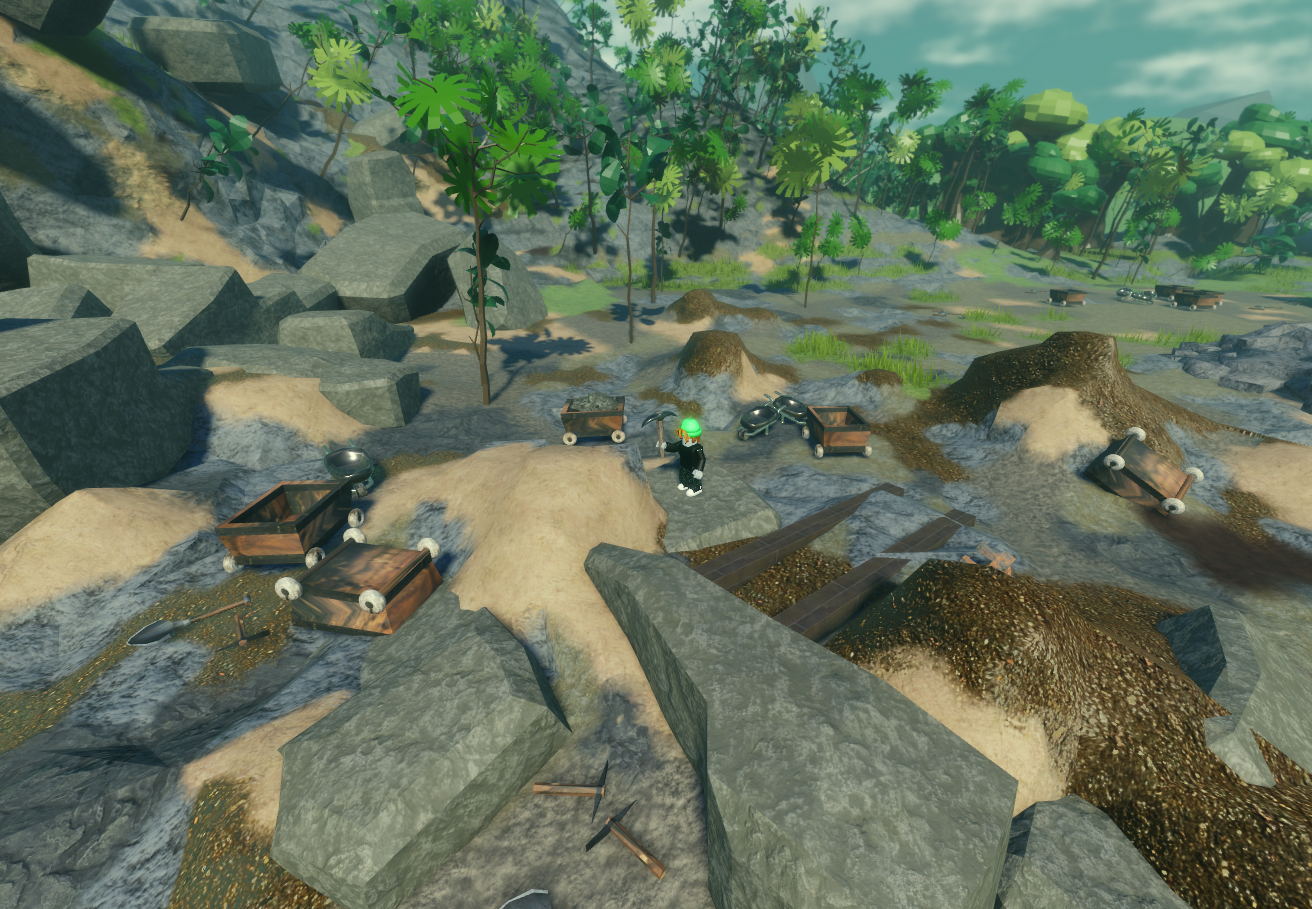
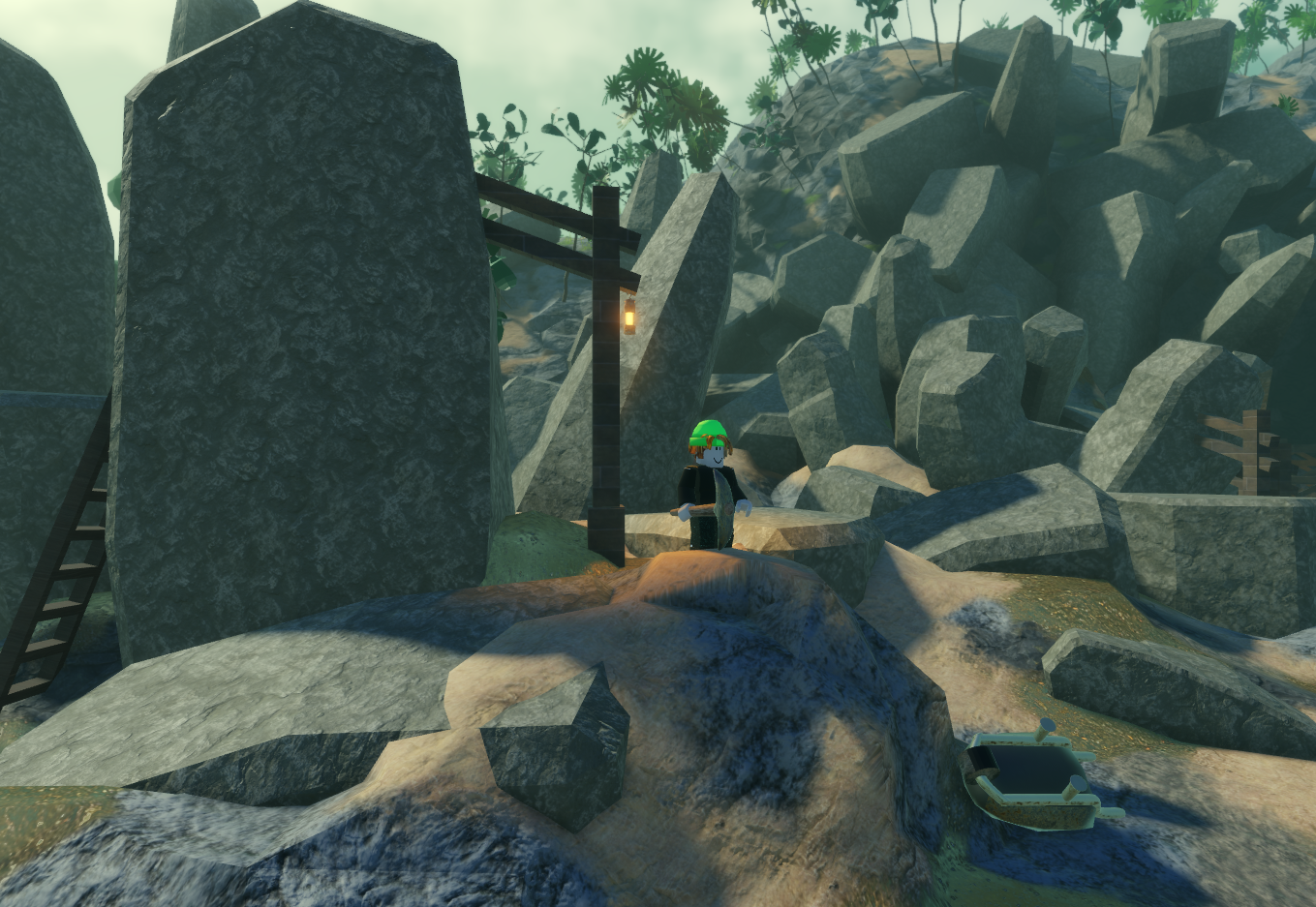
  • The Mine: where players extract raw materials.
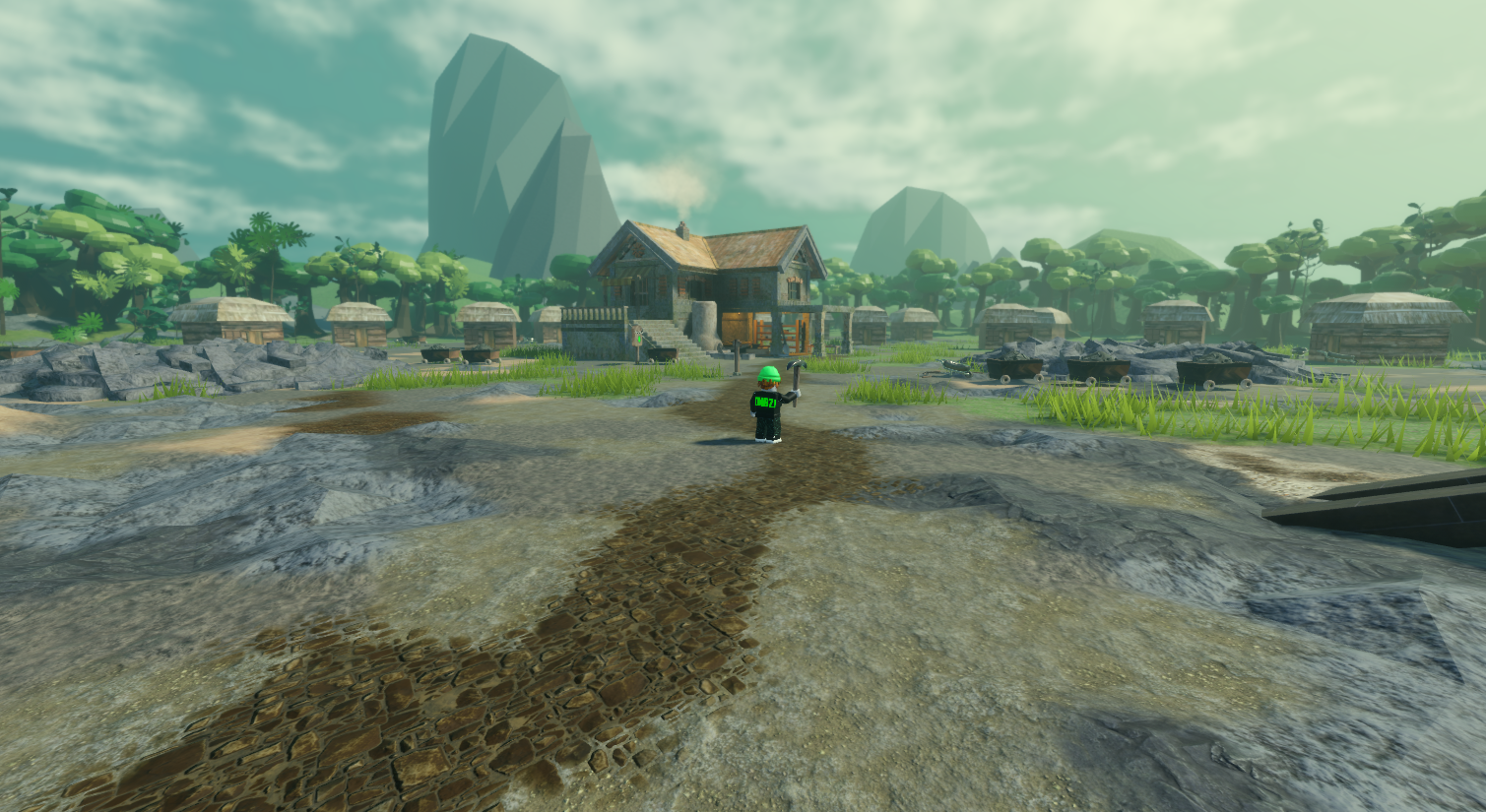
  • The Forge Hut: heating, pouring, mold‐selection.
  • The Crafting Bench: tool assembly from forged parts.
  • The Delivery Cart: final product handoff and transition to Phase 2.

One of the biggest technical challenges identified: the inventory system. Players would need to:

  • Mine minerals and pick them up.
  • Bring them to the forge.
  • Choose molds (e.g., a pickaxe head).
  • Heat and pour, then wait for solidification.
  • Use the crafting bench to combine parts.
  • Deliver finished tools into the cart and teleport to Phase 2.

Because this process required persistent data handling (tracking what the player mined, stored, what mold they selected, what they built) and item tracking across phases, we assigned our commissioned programmer to focus solely on it. This freed up the rest of the team to build visuals and other gameplay elements.

SkillShot - Case Study

Production Phase 1

Our toolchain: Roblox Studio for game structure, Blender for 3D models, and Photoshop/Paint3D for textures. We laid terrain and map structure first, placing huts, tunnels, carts and signposts to guide player flow.

Throughout production, weekly calls with the client allowed us to confirm model accuracy — especially important since we skipped prototyping. Our scripting began in Roblox Lua: mining mechanics, tool crafting, player interactions.

Early obstacles included:

  • Automatic ore deposit instead of player-initiated action; needed reworking to improve engagement.
  • Inventory placeholder objects caused syncing issues between visual assets and the backend logic.
  • The crafting system needed to support over 100 product combinations — increasing scripting workload far beyond initial scope.

Because production of Phase 1 overlapped with Phase 2’s timelines, our team faced overtime to remain on schedule. We also added a teleportation system between phases — a smooth transition from the classic to the modern setting.

Despite tight deadlines, we maintained clarity: every build delivered to the client included updated mechanics, visuals and UI, and each feedback cycle refined the experience further.

Pre-production Phase 2

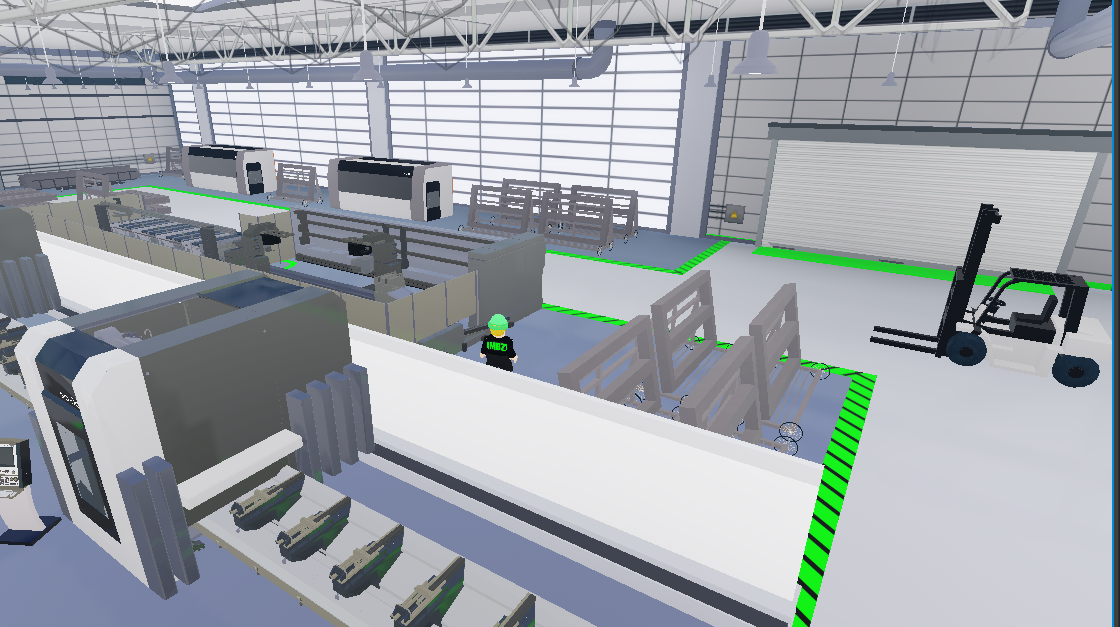
Phase 2 represented the modern factory era. While the code logic was somewhat simpler than the first phase (fewer combinatorial product recipes), the 3D optimization demands were higher. Schüco’s machines provided model assets built for industrial use, often high-poly and heavy. We needed to optimize geometry without losing fidelity so the game ran smoothly on a wide range of devices.

The factory design blueprint included:

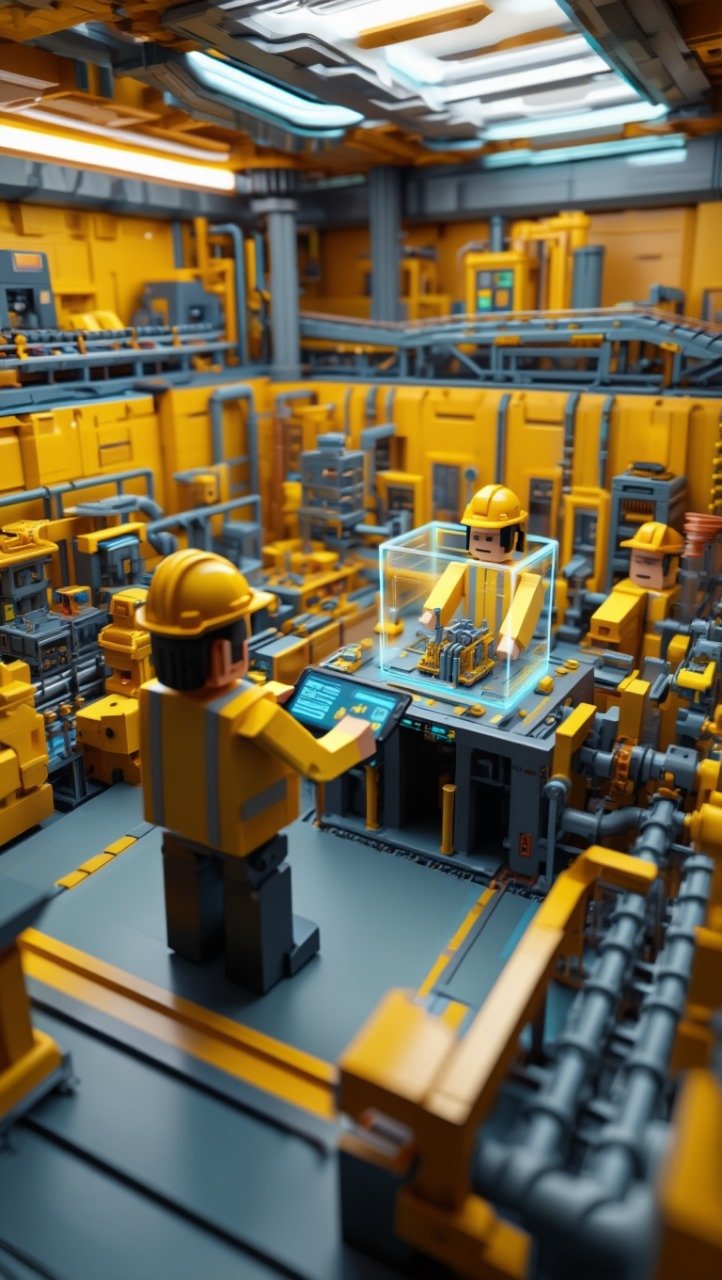
  • High ceilings and industrial lighting rigs.
  • Forklifts and metal bar racks.
  • Storage zones, computer panels, conveyor systems — environments that felt modern, clean, but alive.

We prioritized polygon reduction, texture optimization, lighting tweaks and LOD (levels of detail) strategies. With optimized models approved by the client, we moved smoothly into production of phase 2 tasks.

SkillShot - Case Study

Production Phase 2

Although development overlapped with Phase 1, Phase 2 ran quite efficiently once the optimization work was done. The gameplay flow was clear and direct:

  1. Player selects a male connector component at Machine 1.
  2. Player identifies the matching female connector using a display panel.
  3. Player assembles the two at Machine 3.
  4. Player delivers the finished connector via forklift submission.

We built in two outcome states: “Wrong product” or “Task complete.” Early logic inconsistencies meant correct selections sometimes returned “Wrong product.” Through iterative debugging and external QA testing, the logic was refined until accuracy was guaranteed.

We also implemented German translations for all user interfaces and dialogues — working closely with the client to ensure wording matched their workforce. External testers from Germany provided valuable feedback on language clarity, user flow, and ergonomics.

Optimization continued through this phase: ensuring frame rates held across Roblox platform, mobile devices and desktop, smooth control mappings, clean UI. We maintained regular internal builds and client-reviews, keeping bug-fixing and polish in constant motion.

Marketing and Promotion

Although the game was built for corporate education (not monetization), presenting it professionally on Roblox was critical. We wrote a concise, clear description emphasising:

  • Industrial innovation
  • Interactive learning
  • Realistic process simulation

Our positioning: “Step into the evolution of metal-production, from mining to automated factory, learn as you play.” The description was reviewed and approved by both Skillshot and Schüco before going live.

We also worked with Schüco’s internal communications team to plan a launch announcement, internal newsletter mention and event teaser. By aligning our messaging with Schüco’s employer-brand narrative — “We are modern, forward-thinking, industrial careers await” — we helped elevate the game from a training tool to a branded employee-experience asset.

SkillShot - Case Study

Launch and Release

After thorough testing, debugging and polish, we uploaded Metal Masters under Schüco’s Roblox group, with our development team retaining permissions for future updates and maintenance. The launch day went smoothly.

Shortly after launch, the game was featured in a company-event and showcased to staff and prospective applicants. The immediate feedback was strongly positive: users commented on how realistic the visuals felt, how clear the mechanics were, and how they could imagine themselves working in the processes the game simulated.

We monitored key metrics: player sessions, time spent, task completion rates, error-rates in assembly tasks. Although the primary goal is educational/engagement rather than revenue, these metrics helped the client evaluate effectiveness and value.

Outcome

Even though long-term recruitment and workforce-engagement impacts are still being tracked, we can report several clear wins:

  • The game successfully fulfilled its educational objective: new hires and trainees found the mechanics approachable, the visuals credible, and the process logic clear.
  • Schüco’s leadership highlighted the “accuracy of the virtual factory” and the “innovative approach to industry education via Roblox” as key differentiators.
  • Our ability to deliver a substantial two-phase interactive experience in a tight timeline reinforced our reputation for technical and creative agility.

For the client, Metal Masters served as more than a training asset — it became a digital experience that reinforces employer-brand identity, appeals to younger talent, and helps demystify industrial workflows in an engaging way.

Production Phase 2
SkillShot - Case Study

Future Plans

Our collaboration with Schüco is ongoing. Already we’ve added Xbox control support, expanding accessibility for players using console-style input. Beyond that, early discussions are underway for a sequel — tentatively titled Metal Wars. This next project could introduce competitive gamified processes in industrial settings (timed assembly challenges, team-versus-team workflows, factory-optimization minigames).

We foresee the following possibilities:

  • Expanded environment scale (multiple factory zones, logistics chains).
  • Real-time animations of machine parts, more dynamic visuals.
  • Multi-player collaboration mechanics (teams working on one product line).
  • Additional languages/localisation for global workforce adoption.

These enhancements could further deepen the value-proposition: training meets engagement, education meets gamification, industry meets excellence.

Team Reflection

Working on Metal Masters tested our team’s coordination, adaptability and focus. Despite overlapping production phases and heavy scripting demands, we delivered a large-scale educational Roblox project within roughly two months. Here are key reflections:

  • Client collaboration matters. Regular feedback and shared visual references meant we stayed aligned and avoided major surprises.
  • Adaptability is essential. Unforeseen code and model complexities arose — we pivoted rapidly, reassigned tasks and kept momentum.
  • Rigorous testing is non-negotiable. Early bugs (inventory sync, logic misfires) would have undermined the experience. A systematic QA process kept quality high.
  • Planning and communication win the day. Tight timeframe required clear roles, shared milestones, and transparent status. Without that we’d have slipped.
  • Platform-choice (Roblox) unlocked value. Because Roblox supports web, desktop, mobile and console (with added support), we reached the “trainee where they are” goal effectively.

In summary: Metal Masters demonstrated that Roblox is not just a consumer-game platform — it’s a viable, robust tool for corporate education, industrial simulation and engagement.

SkillShot - Case Study
Probabilitie

Probabilities

We believe our strongest advantage on this project was the realism of our 3D machine models and the authentic feel of the virtual factory workflow. If we had more time, budget or personnel, we could further enhance:

  • Advanced lighting and reflections for cinematic visuals
  • Real-time machine animations (presses, conveyors, robotic arms)
  • Expanded industrial environments with real-world scale accuracy
  • Multiplayer collaboration modes and deeper gamified metrics

For example, if we had a team of eight (vs. six) and extended the schedule by an extra month, we estimate we could have delivered these enhancements, raised polish further, and opened potential for broader industrial simulation partnerships.

We see strong probability that with these enhancements we could deliver:

  • Increased trainee retention and completion rates
  • Deeper employer-branding impact for Schüco
  • Broader applicability of the game engine for other manufacturing clients
  • Competitive advantage in the industrial-education gamification space

Multimedia

Game Link:
Metal Masters on Roblox

Meet the Team:

  • Stephen – Project Lead, 3D Modeling, Planning, Optimization
  • Reynel – Scripting & Programming
  • Ryan – 3D Modeling & Map Design
  • Darius – GUI & UX Design
  • Jeremy – Icons & Visual Design
  • Raul – QA Testing & Bug Checking
SkillShot - Case Study
Pearl Lemon Games

Create a Game That Stands Out — Let Us Develop It. Book Today!

Got a game idea? Let us help you bring it to life with professional development services. Don’t wait—book your session today and take the first step toward launching your game.